
Contents
Overview
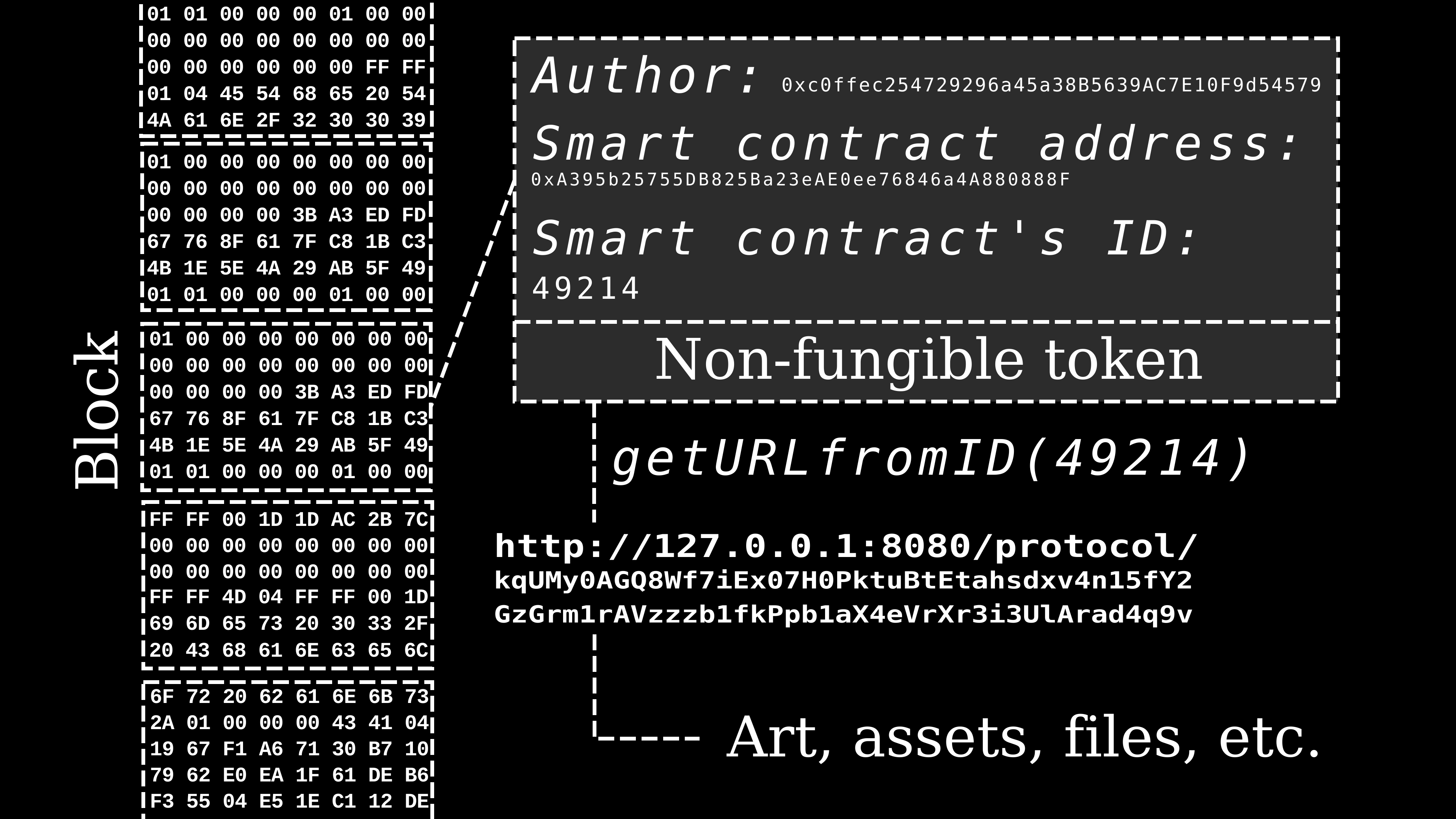
An NFT is a unique digital identifier that is recorded on a blockchain, such as Polygon or Solana, and is used to certify ownership and authenticity of a digital item, such as artwork, music, or video. NFTs contain references to digital files and are uniquely identifiable, which means they cannot be copied, substituted, or subdivided. This is in contrast to cryptocurrencies like Bitcoin, which are fungible and can be divided into smaller units. The use of blockchain technology ensures the security and transparency of NFT transactions.
🔬 How It Works (Mechanics)
The mechanics of NFTs involve the use of smart contracts, which are self-executing contracts with the terms of the agreement written directly into lines of code. These contracts are stored on a blockchain and can be executed automatically when certain conditions are met, such as the transfer of ownership of an NFT. Platforms like OpenSea and Rarible provide marketplaces for buying, selling, and trading NFTs.
📊 Key Facts, Numbers & Statistics
NFTs can be used to represent ownership of a wide range of unique digital assets. The use of NFTs has been explored in various industries, including art, music, and gaming, with companies like Nike and Adidas launching their own NFT collections.
🌍 Real-World Examples & Use Cases
Real-world examples of NFTs include digital artwork and music. NFTs have also been used to represent ownership of unique physical items, such as rare collectibles and limited edition merchandise, and have been used in various industries, including art, music, and gaming.
📈 History & Evolution
The history of NFTs is complex and multifaceted. However, it is clear that NFTs have been used to represent ownership of unique digital assets for several years.
⚡ Current State & Latest Developments
The current state of the NFT market is uncertain. However, many proponents of NFTs believe that they have the potential to play an important role in the art world and beyond.
🔮 Why It Matters & Future Outlook
The future outlook for NFTs is uncertain. However, it is clear that NFTs can be used to represent ownership of a wide range of unique digital assets, and that they have the potential to be used in various industries, including art, music, and gaming.
🤔 Common Misconceptions
Common misconceptions about NFTs include the idea that they are only used for digital art, when in fact they can be used to represent ownership of a wide range of unique digital assets. Another misconception is that NFTs are only for artists and collectors, when in fact they have the potential to be used by anyone who wants to buy, sell, or own unique digital assets.
Key Facts
- Origin
- Blockchain and cryptocurrency communities
- Category
- studios
- Type
- concept
- Format
- what-is
Frequently Asked Questions
What is an NFT?
An NFT, or non-fungible token, is a unique digital identifier recorded on a blockchain that certifies ownership and authenticity of a digital item, such as artwork, music, or video. NFTs differ from cryptocurrencies in that they are uniquely identifiable and cannot be copied or subdivided.
How do NFTs work?
NFTs work by using smart contracts, which are self-executing contracts with the terms of the agreement written directly into lines of code. These contracts are stored on a blockchain and can be executed automatically when certain conditions are met, such as the transfer of ownership of an NFT.
What are some examples of NFTs?
Examples of NFTs include digital artwork and music. NFTs have also been used to represent ownership of unique physical items, such as rare collectibles and limited edition merchandise.